 灵语小厨(LinguaCook)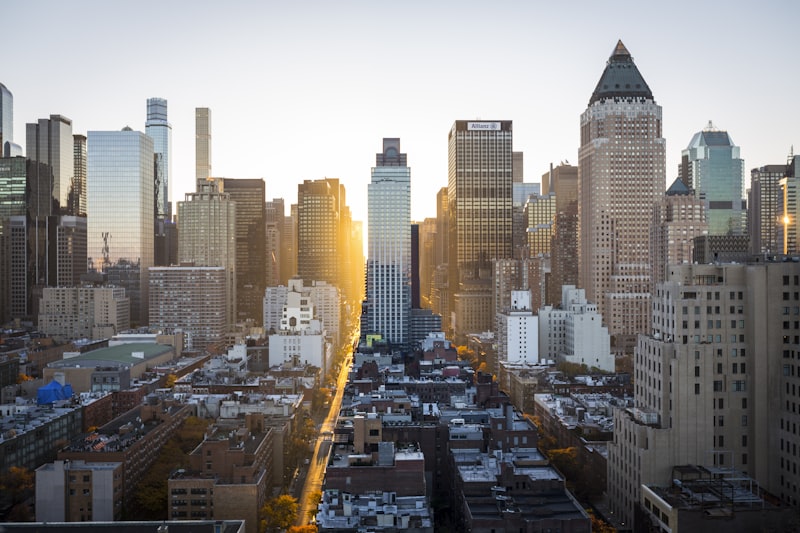
The Scene Before Us
This is a city street on an ordinary weekday. Tall buildings rise on both sides, their glass windows reflecting the pale light of the sky. The road stretches ahead, busy with cars, buses, and taxis moving in a steady flow. On the sidewalks, people are walking at different speeds — some rushing to work, others strolling casually, taking their time.
There is a rhythm to city life that you can almost feel in this picture. The traffic lights change from red to green, and the crowd surges forward like a wave. A cyclist weaves between the cars. Someone is waiting at a crosswalk, checking their phone while they wait for the light to change.
Useful Vocabulary
- pedestrian — a person walking on foot, especially in a city. "Pedestrians crossed the street when the light turned green."
- sidewalk — the paved path beside a road where people walk. "The sidewalks were crowded during rush hour."
- crosswalk — a marked part of a road where pedestrians can cross. "She waited at the crosswalk for the signal."
- skyscraper — a very tall building. "The skyscrapers towered above the street."
- rush hour — the busiest time of day, usually when people commute. "Traffic is terrible during rush hour."
- to weave — to move in and out between obstacles. "The bicycle weaved through the traffic."
A Closer Look
Let us zoom in and notice the smaller details. On the left side of the street, there is a small shop with an awning hanging over the entrance. The sign is written in white letters, though it is hard to read from this distance. Next to it, a street vendor might be selling something — perhaps newspapers, or snacks, or bottles of water.
The buildings in the background are a mix of old and new. Some have ornate stone facades, with carved details around the windows — a reminder of the city's history. Others are modern glass towers, sleek and reflective, built in the last decade or two. This contrast between old and new is one of the things that makes city streets so visually interesting.
If you listen carefully, you can almost hear the sounds of the city: the honking of car horns, the rumble of a bus engine, the chatter of people passing by, and somewhere in the distance, the faint sound of music coming from a shop.
Describing Movement
Cities are full of movement, and describing movement well is an important skill in English. Here are some ways to describe what people and vehicles are doing:
- "A man in a dark coat is hurrying across the street."
- "Two women are strolling along the sidewalk, deep in conversation."
- "A red bus is pulling away from a stop."
- "A delivery truck is double-parked near the corner."
- "Pigeons are pecking at crumbs on the ground."
Try It Yourself
Look at the picture and try writing your own paragraph. Some prompts to get you started:
- Imagine you are standing on this street. What do you hear, smell, and feel?
- Describe one person in the picture. Where do you think they are going?
- Compare this street to a street in your own city. What is similar? What is different?
Describing a city scene is excellent practice because it covers so many topics: buildings, people, vehicles, weather, and emotions. Try to use as many descriptive words as you can.