 灵语小厨(LinguaCook)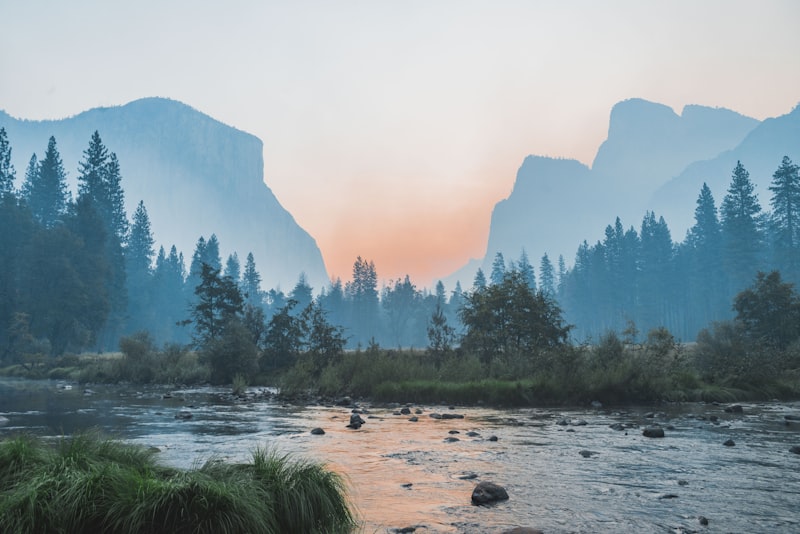
A Landscape of Stillness
In this picture, we see a breathtaking natural landscape. A large lake stretches across the foreground, its surface perfectly still, like a mirror reflecting the sky above. The water is a deep shade of blue, darkening near the center and becoming lighter along the edges where it meets the shore.
Behind the lake, a range of mountains rises dramatically against the sky. The peaks are sharp and rugged, with patches of snow clinging to the highest points. Lower down, the slopes are covered in dense forest — a deep green that contrasts beautifully with the gray and white of the rock above.
The sky is vast and open, with a few white clouds drifting slowly across from left to right. The light suggests it is either early morning or late afternoon — that magical time when the sun is low and everything takes on a warm, golden tone.
Useful Vocabulary
- breathtaking — extremely beautiful or impressive. "The view from the hilltop was breathtaking."
- foreground / background — the front part / back part of a scene. "The lake is in the foreground, and the mountains are in the background."
- reflection — an image seen in a mirror or on the surface of water. "The mountains cast a perfect reflection on the lake."
- rugged — having a rough, uneven surface. "The rugged peaks were covered with snow."
- dense — closely packed together. "Dense forests covered the lower slopes."
- serene — calm, peaceful, and untroubled. "The lake was serene and perfectly still."
- to cling to — to hold on tightly to something. "Snow clings to the mountain peaks even in summer."
Going Deeper: Feelings and Atmosphere
A good description does not just say what is in the picture — it also captures the feeling, the mood, the atmosphere. So let us try:
Standing here, you feel very small. The mountains have been here for millions of years, long before any human set foot in this valley. The silence is profound — there is no traffic, no voices, no notification sounds. Just the faint whisper of wind through the trees and the occasional call of a bird somewhere high above.
There is a sense of peace that is difficult to put into words. It is the opposite of everything you experience in a busy city. Your mind slows down. Your breathing becomes deeper. For a few moments, you are not thinking about deadlines or emails or what to cook for dinner. You are simply present, here, now, looking at something ancient and beautiful.
Describing Nature: Common Patterns
When describing natural landscapes in English, some patterns appear again and again:
- The [feature] stretches / extends across... — "The lake stretches across the valley."
- The [feature] rises / towers above... — "The mountains rise above the treeline."
- [Something] is covered in / with... — "The ground is covered with wildflowers."
- The [feature] reflects / mirrors... — "The water mirrors the sky perfectly."
- In the distance, you can see... — "In the distance, you can see snow-capped peaks."
Try It Yourself
Now it is your turn. Look at the picture and write about it. Here are some ideas:
- Imagine you are hiking in this area. Describe what you experience as you approach the lake.
- Describe the picture as if you are writing a postcard to a friend.
- What season do you think it is? How can you tell?
- If you could sit anywhere in this scene, where would you sit and why?
Nature gives us some of the most beautiful things to describe, and also some of the most challenging. Can you find the right words for the color of the water, the shape of the mountains, the quality of the light? The search for the right word is where real learning happens.